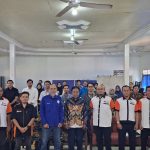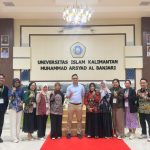

Banjarmasin, Indonesia. In a move designed to strengthen the dual role of educators as both teachers and active researchers, Institut Kesehatan Suaka Insan has officially announced the recipients of its 2026 Internal Research and Community Service Grants. Facilitated by the university’s Research and Community Service Unit (UPPM), this initiative underscores a growing commitment among academic institutions to not only disseminate knowledge but to generate evidence-based solutions that directly address community health needs.
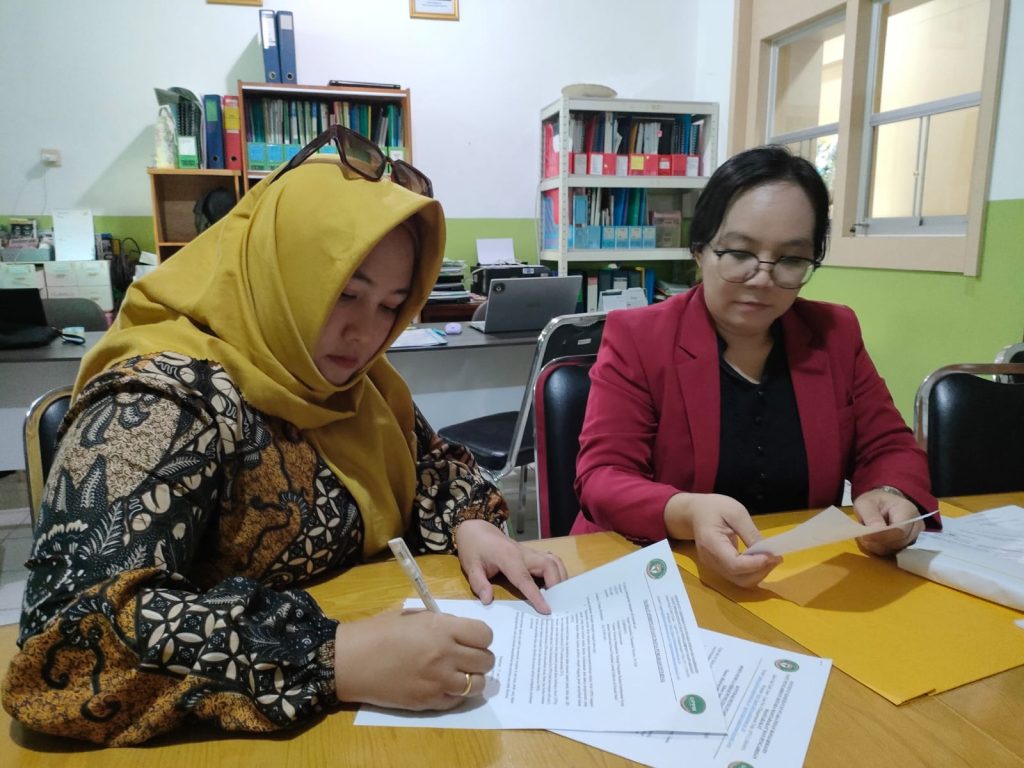
Marking a crucial milestone in this initiative, the UPPM recently hosted a formal contract signing ceremony for the grant recipients. This pivotal event, captured in recent photographs, solidifies the official commencement of these vital research projects. By formally committing to their proposals through this legally binding agreement, the institution and the researchers establish clear expectations and mutual accountability. This critical step ensures that the financial support provided will directly empower faculty members to translate their academic expertise into tangible, real-world applications.
“This internal grant program is pivotal,” noted a representative from the UPPM. “It acknowledges that our faculty are not merely instructors; they are investigators and community advocates. By supporting their research, we are directly investing in the health and well-being of the populations we serve.”
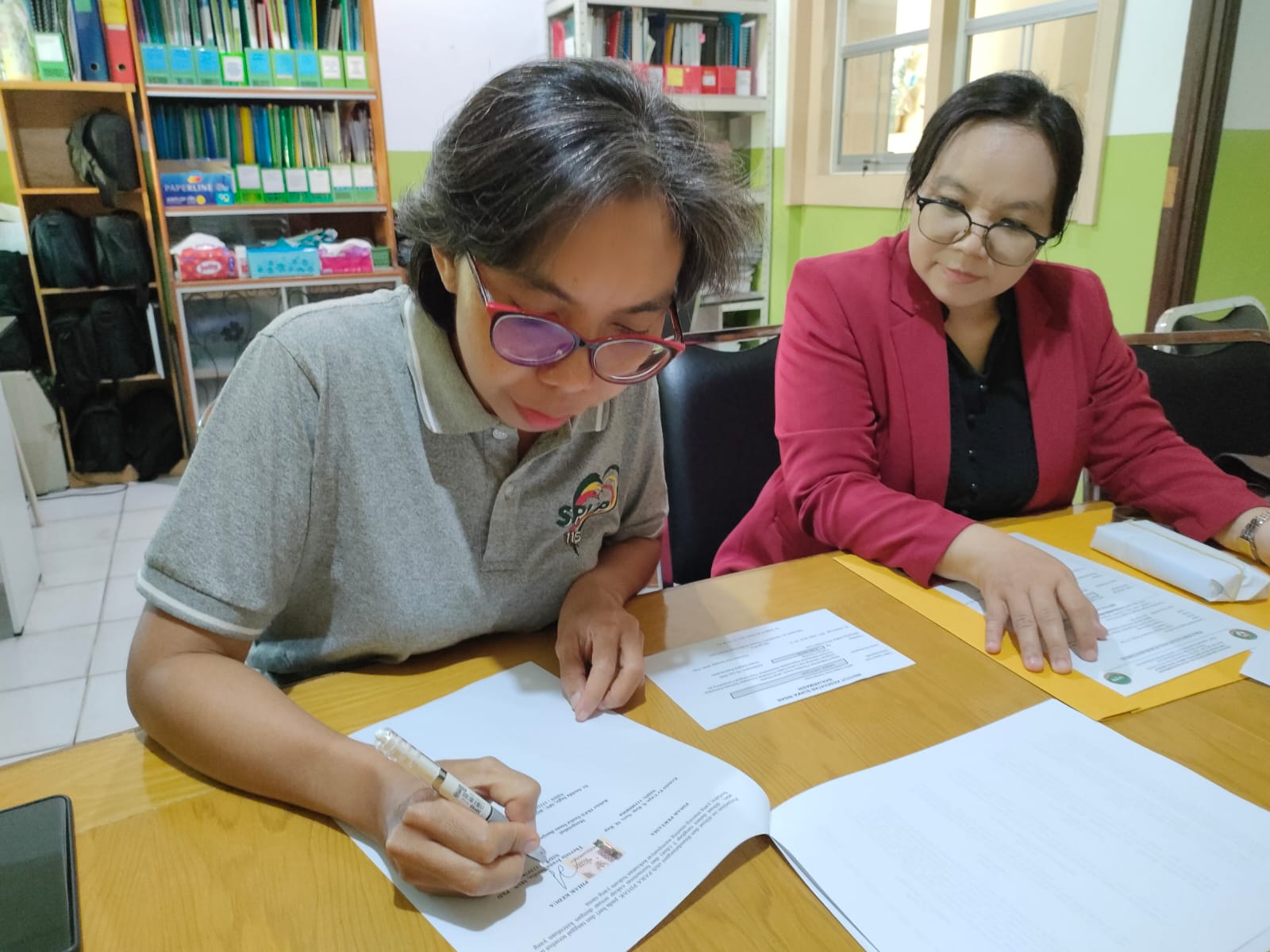
The successful proposals for the 2026 Batch 1 funding reflect a diverse and highly relevant range of health challenges. The approved projects demonstrate a clear focus on practical, patient-centered care and crucial community education initiatives.
Among the funded research projects are:
- Lucia Andi Chrismilasari, M. Kep., will investigate the impact of Diabetes Self-Management Education (DSME) in relation to self-care deficits, a critical area for improving long-term outcomes in diabetes control.
- Theresia Jamini, M. Kep., focuses on the psychosocial aspects of chronic illness, examining how peer support groups can alleviate anxiety among high-risk diabetes patients.
- Selly Kresna Dewi, M. Kep. Sp. Mat., takes a culturally specific approach to a pressing social issue, using the traditional “MADIHIN” media format to educate the Banjarmasin community and combat victim-blaming in cases of female sexual violence.
- Septi Machelia Champaca Nursery, M. Kep., will explore “Green Nursing Management,” aiming to strengthen safety cultures and optimize the precise sorting of infectious waste within hospital settings—a vital step for both occupational safety and environmental health.
- Theresia Ivana Secilia, PhD., will research the intersection of technology and empathetic care, analyzing student perceptions of integrating technology within nursing education based on the “Technological Competency as Caring in Nursing” framework.
These projects highlight a significant shift in modern health education: moving beyond theoretical knowledge to active engagement with contemporary health and social issues. By funding research into diabetes management, culturally relevant health education, sustainable hospital practices, and the integration of technology in care, Suaka Insan is positioning its faculty at the forefront of applied health sciences.
This localized investment mirrors a broader global trend where health institutes are increasingly recognized as engines for community resilience. As healthcare systems worldwide grapple with complex, multifaceted challenges—from chronic disease management to social determinants of health—the need for robust, locally driven research has never been more urgent. Initiatives like the Suaka Insan internal grants ensure that the next generation of healthcare professionals is taught by educators actively engaged in solving these very problems.
The UPPM continues to encourage all faculty members to pursue research opportunities. While not all community service proposals were funded in this initial batch, the institute remains dedicated to refining and supporting future initiatives that bridge the gap between academia and public health.
To learn more about the specific research projects or to explore how the Suaka Insan Health Institute is fostering community health innovations, please visit the UPPM website or review the full announcement details.