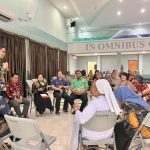

On August 12, Institut Kesehatan Suaka Insan, in collaboration with Universitas Lambung Mangkurat, convened international health leaders for a landmark nursing symposium in Banjarmasin. The event was guided by Master of Ceremonies Oktovin, S.Kep., Ners., M.Kep, moderated by Maria Frani Ayu Andari Dias, S.Kep., Ners., MAN, and opened with a prayer led by Aulia Rachman, S.Kep., Ners,M.Kep all of whom are esteemed lecturers from the Nursing Science and Professional Nursing Program at Institut Kesehatan Suaka Insan. This gathering showcased how integrating localized cultural wisdom with modern clinical protocols is revolutionizing patient care across the globe. As healthcare systems worldwide face unprecedented demands and shifting demographics, the symposium highlighted a critical paradigm shift: culturally responsive care is no longer optional, but an essential foundation for global health.
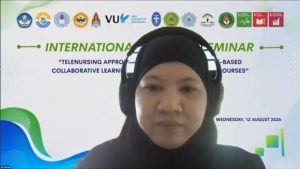
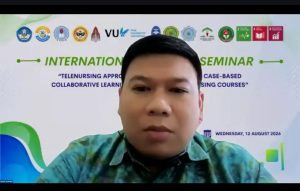
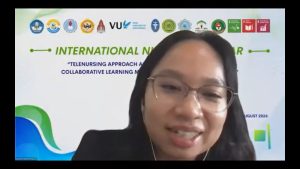
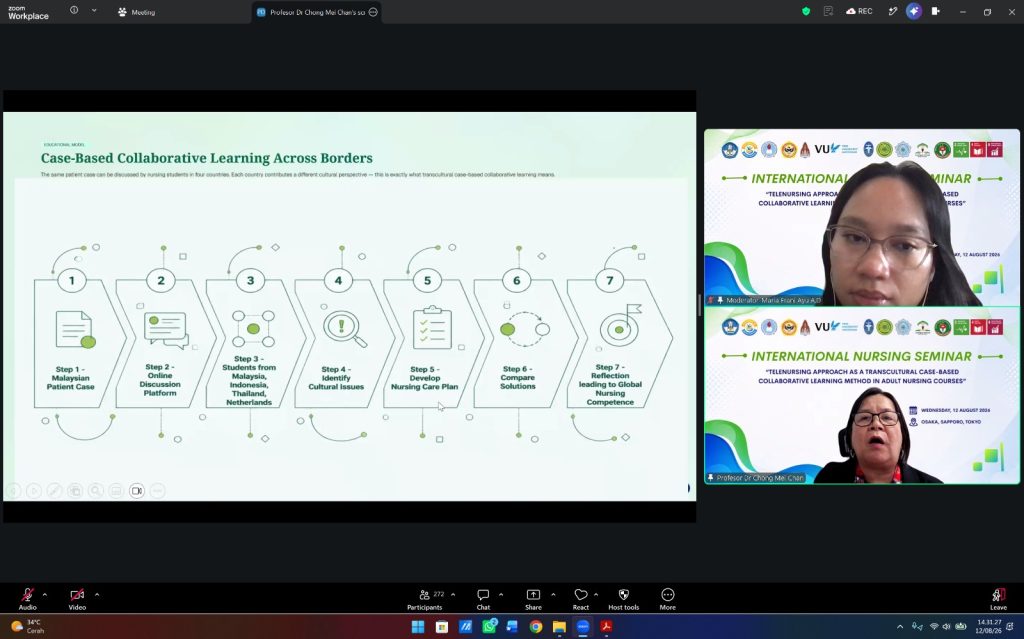
The seminar revealed that overcoming modern health crises requires treating the whole person by seamlessly integrating psychosocial wellbeing into community frameworks. Dr. Sarju Sing Rai from Vrije Universiteit Amsterdam outlined how increasing migration is testing the limits of European universal health coverage. He explained that clinical practitioners must utilize robust transcultural tools, such as the Cultural Formulation Interview, to bridge communication barriers and navigate hidden inequalities. Echoing this need for cultural intelligence, Prof. Dr. Chong Mei Chan from MAHSA University emphasized that the future of chronic disease management relies heavily on understanding diverse ethnic backgrounds. She championed the use of telenursing as a transcultural, case-based collaborative learning method, proving that telehealth success is driven by engaging patients’ family structures and dietary habits.
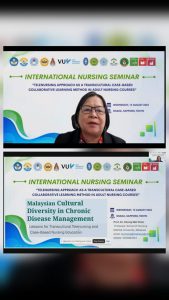
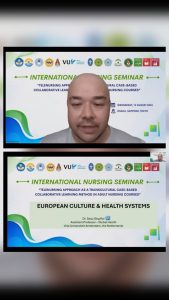
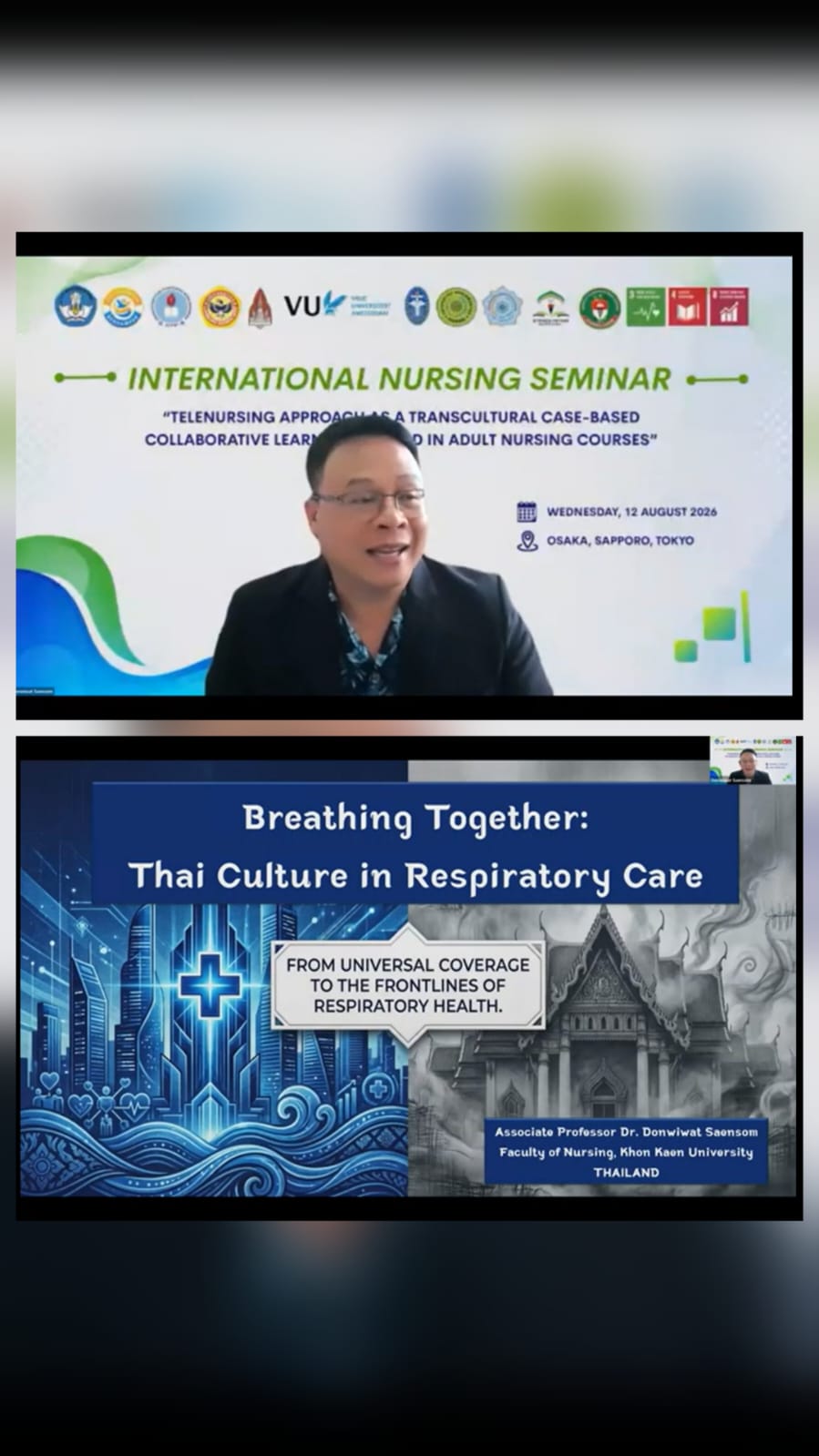
In Southeast Asia, spiritual frameworks often act as the hidden engine of healthcare infrastructure. Assoc. Prof. Donwiwat Saensom detailed how Thai culture responds to severe respiratory crises exacerbated by PM2.5 pollution and an aging population. He explained that nurses must proactively navigate Kreng Jai—a profound cultural desire not to inconvenience others, which frequently leads patients to mask severe clinical symptoms. Furthermore, he highlighted how Buddhist principles of karma and merit-making inspire the vast network of volunteer first responders who handle the vast majority of Bangkok’s emergency medical cases.
Regional experts from Indonesia showcased powerful localized strategies for bridging the gap between clinical mandates and traditional lifestyles. Addressing the soaring rates of diabetes in Central Java, Ns. Cahyu Septiwi, PhD demonstrated how the Javanese value of rukun (harmony) and hospitality is deeply intertwined with offering sweet foods and beverages. She advocated for culturally sensitive negotiations where nurses help patients reduce sugar intake without compromising their cultural identity. Similarly, Insana Maria, M.Kep presented a 3-pillar framework for accommodating cultural dietary beliefs in adult diarrhea treatments. She advised substituting commercial oral rehydration solutions with culturally accepted localized equivalents, such as traditional broths or safe teas, to ensure patient compliance.
The psychological and traditional dimensions of severe illness require an equally empathetic approach. Yulius Tiranda, PhD unpacked the health paradox in Palembang, where at-risk individuals actively consume fresh market foods and jamu (herbal medicine) for vitality, but strictly avoid clinical colorectal cancer screenings due to the psychological terror of a diagnosis. He stressed the strategic need to reframe screenings from “finding a deadly disease” to “confirming wellness and protecting longevity”.
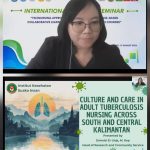
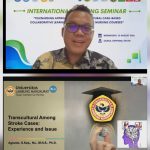
Agianto, PhD tackled the complexities of stroke care, noting that initial emergency responses frequently rely on traditional therapies like massage or acupuncture. He urged nurses to adopt transcultural strategies that accommodate safe traditional practices while restructuring those that endanger health. Finally, Ermeisi Er Unja confronted the geographical barriers, river transportation challenges, and deep-rooted stigmas surrounding tuberculosis in Kalimantan. She powerfully asserted that by centering care around family decision-making and community partnership, culture transforms from a perceived barrier into the very bridge to healing and medication adherence.
Embracing these diverse practices empowers communities, improves treatment adherence, and sets a new international standard for health equity. The insights shared at this symposium prove that while medical science is universal, the journey to healing is deeply personal and inherently cultural (UPPM-Ikes Suaka Insan).