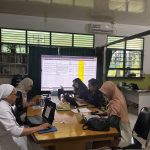
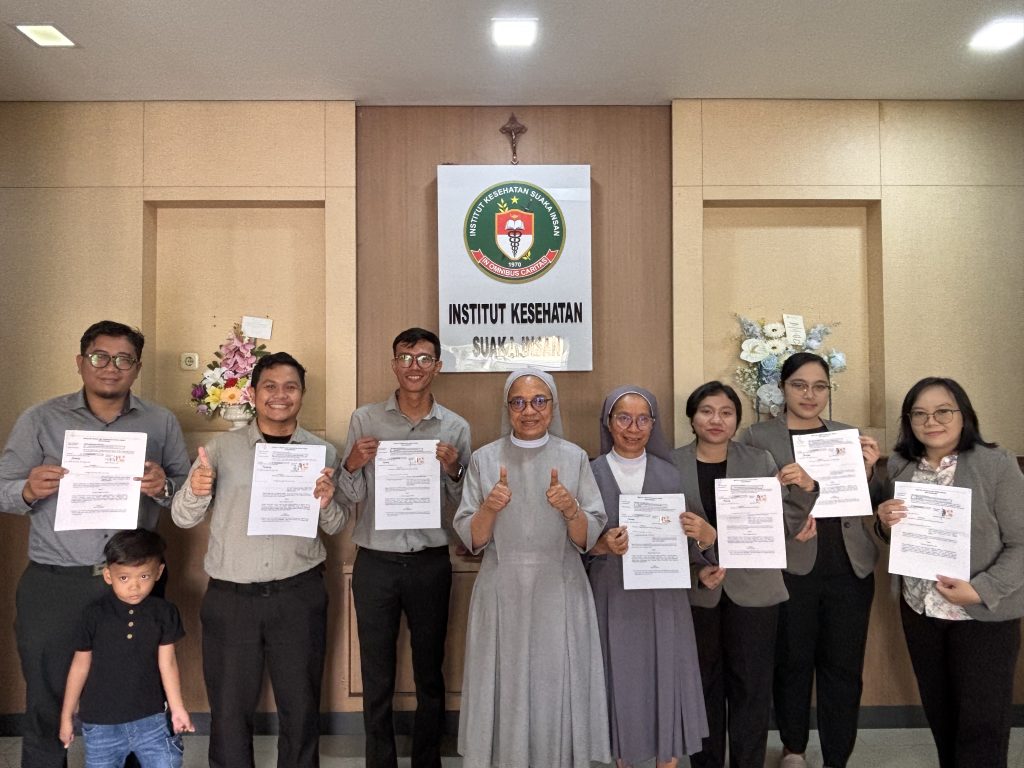

Banjarmasin, Indonesia – In a significant move to bridge academic research with tangible community impact, the Suaka Insan Health Institute (IKES Suaka Insan) has officially signed contracts for nine major national grants. Awarded by the Indonesian Ministry of Higher Education, Science, and Technology, these funds will power a new wave of localized health solutions, from indigenous stress-coping mechanisms to empowering local firefighters as first responders.
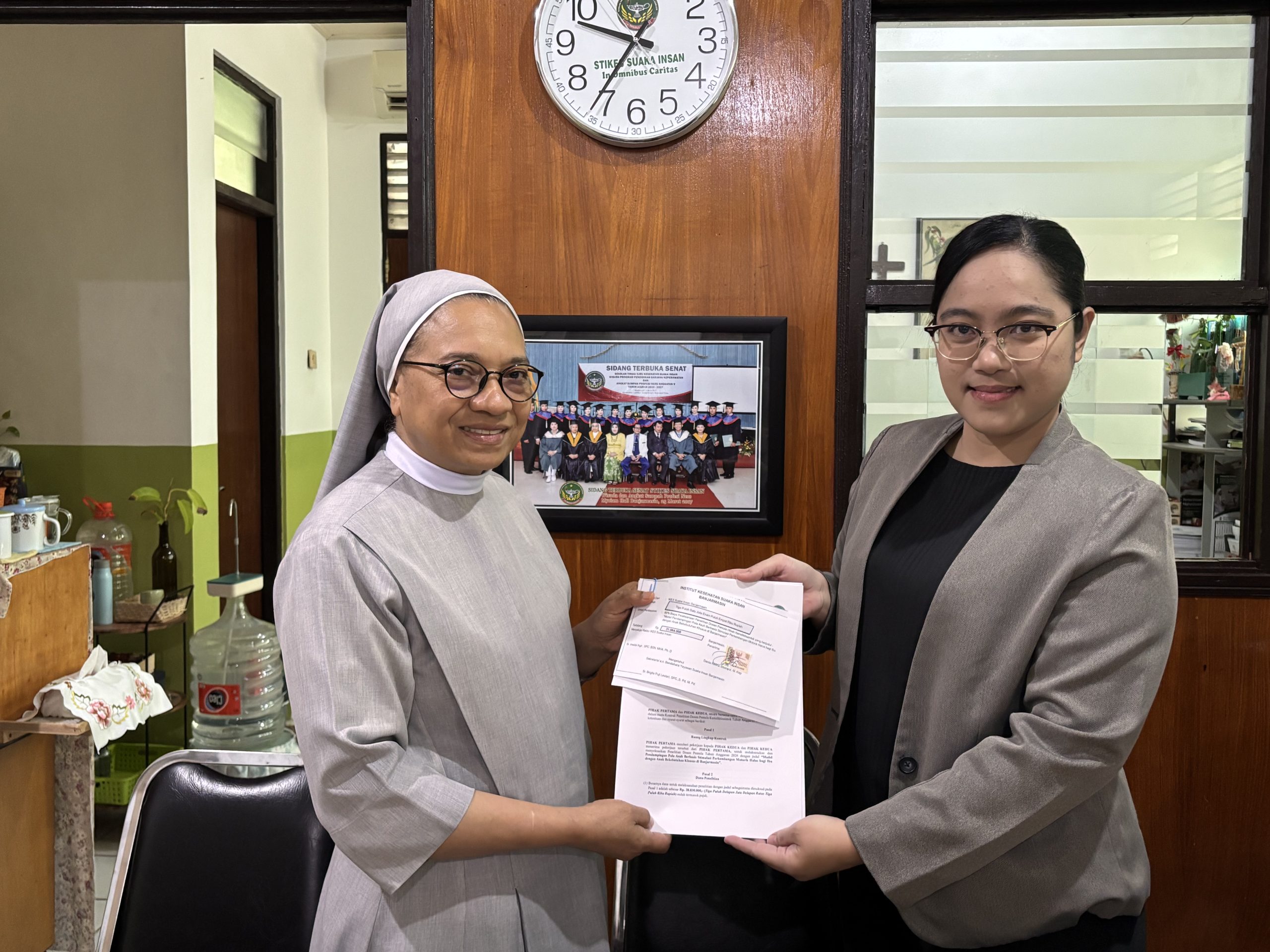
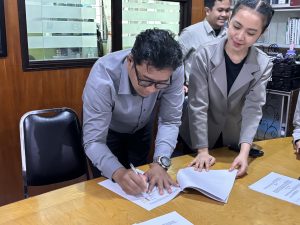
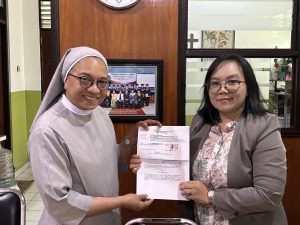
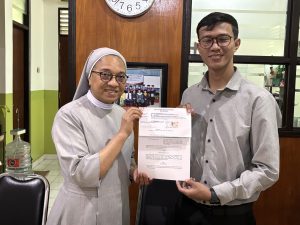
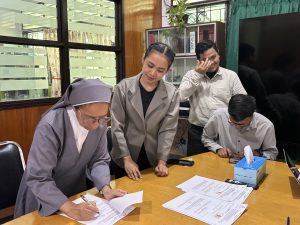
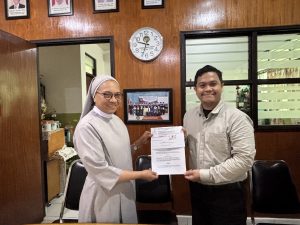
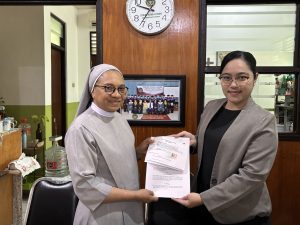
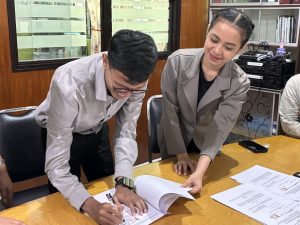
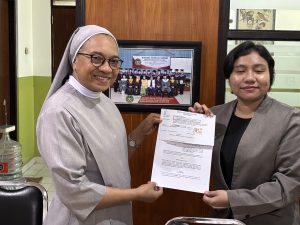
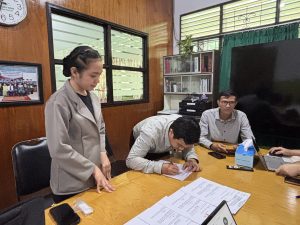
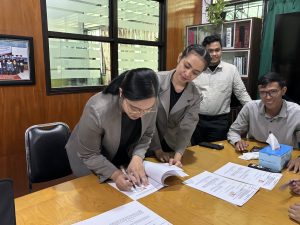
The signing ceremony, held on June 8, 2026, marks a pivotal moment for the institute. It transitions these community-focused projects from proposed ideas to active, government-backed interventions. More importantly, the signing serves as a binding pledge of accountability. It reinforces the steadfast commitment of the researchers and community service practitioners to see their projects through to completion, ensuring that their work translates into significant, tangible benefits that the wider public can genuinely feel.
“This is not just about securing academic funding; it is a formal commitment to our society,” said Sr. Imelda Ingir, SPC., Ph.D., Rector of IKES Suaka Insan, who oversaw the signing alongside Ermeisi Er Unja, M.Kep, Head of the Research and Community Service Unit (UPPM), and Sr. Gertrudis Tutpai, SPC., Vice Rector II. “We are dedicated to ensuring these projects are completed effectively, translating our research into real-world resilience for the communities we serve.”
A Focus on Contextualized Healthcare
What makes this year’s grant allocation notable is the institute’s strong focus on community-specific and culturally contextualized healthcare. Rather than applying generic models, the researchers at IKES Suaka Insan are looking inward to solve broader health challenges.
Among the eight approved research projects, a prominent theme is the integration of local culture and environment into health practices. For example, a research team led by Lanawati, M.Kep., will explore the traditional Kapuhunan beliefs of the Dayak Maanyan people as a cultural resource for stress management. Meanwhile, another team headed by Akhmad Ridhani, M.K.K.K., is investigating how the movements of the traditional Babangsai dance can be utilized as a locally rooted balance exercise to prevent falls among the elderly in the Meratus Dayak community.
These projects underscore a growing global recognition: effective healthcare must be culturally resonant. By validating traditional practices through scientific research, the institute is creating scalable models that respect indigenous knowledge.
Empowering the Frontlines
Beyond research, the grants also support immediate community empowerment. A key community service initiative, led by Dyah Trifianingsih, M.Kep., focuses on strengthening the role of Banjarmasin’s volunteer fire brigades (Barisan Pemadam Kebakaran or BPK). Given their rapid response times, the project aims to train these volunteers as critical first responders for traffic accidents, establishing a robust, community-based emergency response network.
Other funded projects tackle pressing urban health issues, such as evaluating free nutritional meal policies in elementary schools and using board games to improve health literacy among children in Banjarmasin.
A Broader Impact
The success of IKES Suaka Insan in securing these competitive national grants highlights the growing capability of regional health institutes to contribute to national health agendas. By focusing on localized, evidence-based interventions, from specialized motor skill development for children with special needs to innovative occupational health models for public health centers, the institute is proving that impactful research doesn’t only happen in major metropolises.
As these nine projects launch in 2026, they represent a vital step toward a more integrated, culturally aware, and responsive healthcare system in South Kalimantan, offering valuable insights for similar communities globally.


To learn more about these research initiatives and the ongoing community service at the Suaka Insan Health Institute, visit our UPPM portal/Research page link here.