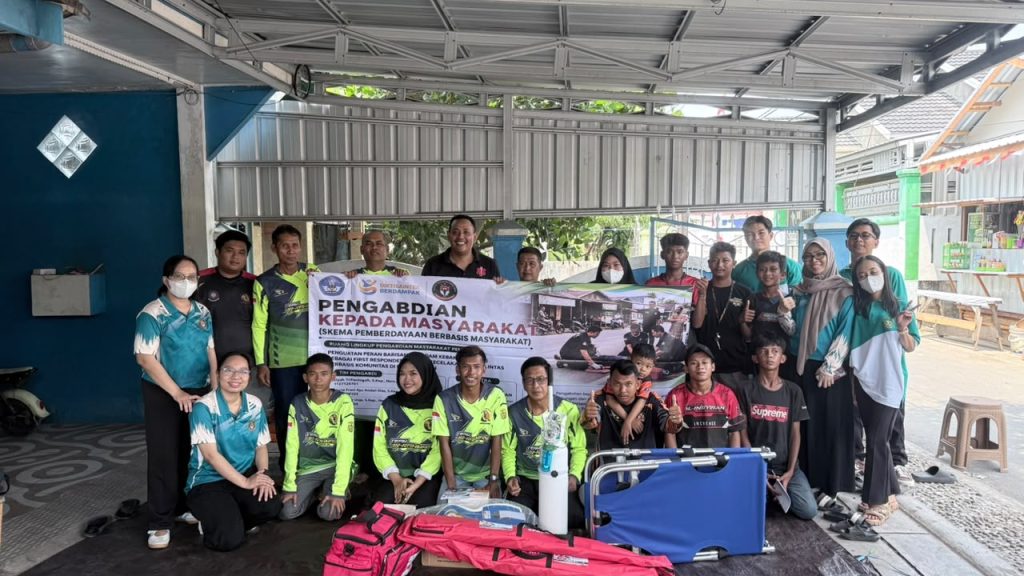

On Sunday, August 23, 2026, Institut Kesehatan Suaka Insan took a decisive step toward mitigating road trauma by equipping over 20 volunteer firefighters from BPK Ar Rahman with critical first-responder medical training in Banjarmasin. Addressing the urgent need for rapid emergency care in high-traffic urban zones, this community-based initiative successfully transformed local fire volunteers into vital lifelines for traffic accident victims.
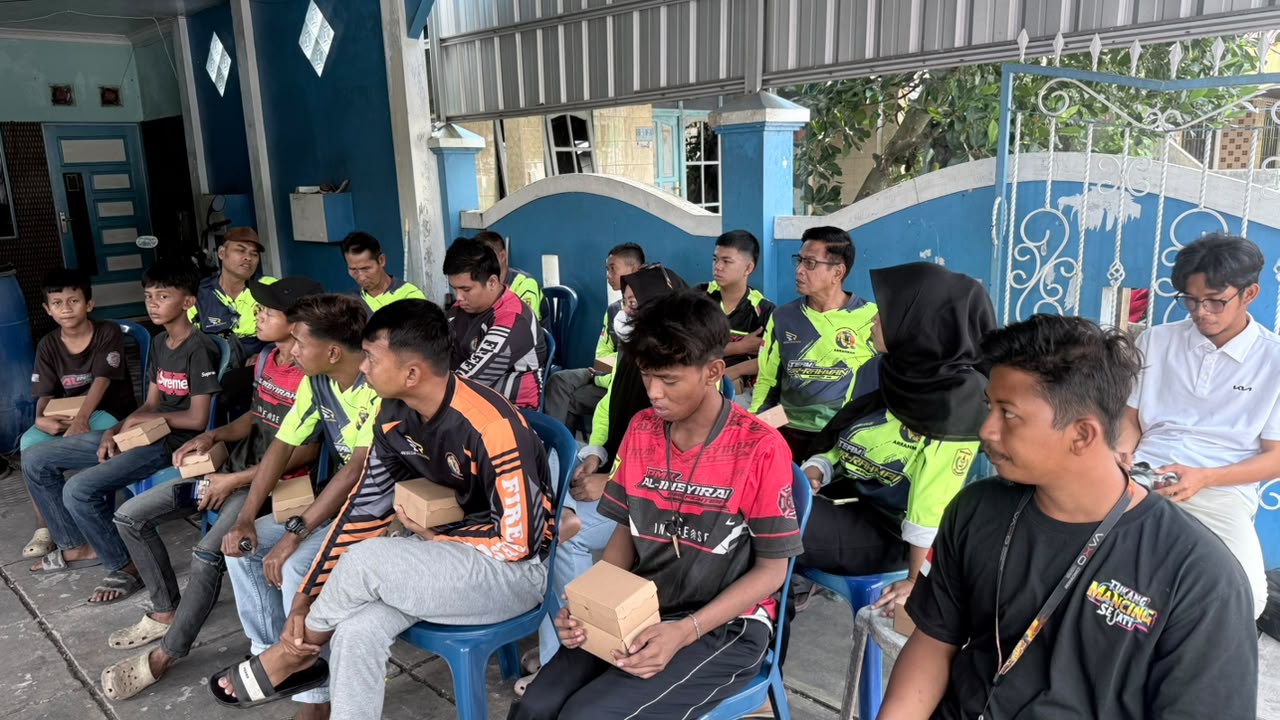
Led by Dyah Trifianingsih, alongside team members Maria Frani Ayu Andari Dias and Ermeisi Er Unja, the program delivered a four-hour intensive simulation training. Fueled by a 2026 community service grant from the DPPM Kemdiktisaintek, the initiative strategically targeted responders who operate near the heavily congested Jalan Sutoyo S. “This activity is an implementation of community service targeting BPK Ar Rahman, because they often encounter accident cases on Jalan Sutoyo S,” Trifianingsih explained.
To bridge the gap between complex medical theory and on-the-ground reality, Bagus Rahmat Santoso, an emergency nursing lecturer from Universitas Sari Mulia was brought in as the lead trainer. He guided the volunteers through crucial life-saving protocols, focusing on practical steps: securing the accident scene, assessing the victim’s initial condition, stabilizing injuries, and executing safe ambulance transfers.
The immediate impact was palpable among the attendees, who not only gained essential knowledge but also received medical rescue equipment to aid their daily fieldwork. “We now understand what we must do, such as removing helmets and turning the victim’s body carefully,” one volunteer shared, noting that learning how to properly apply cervical collars was highly beneficial for their on-ground duties.
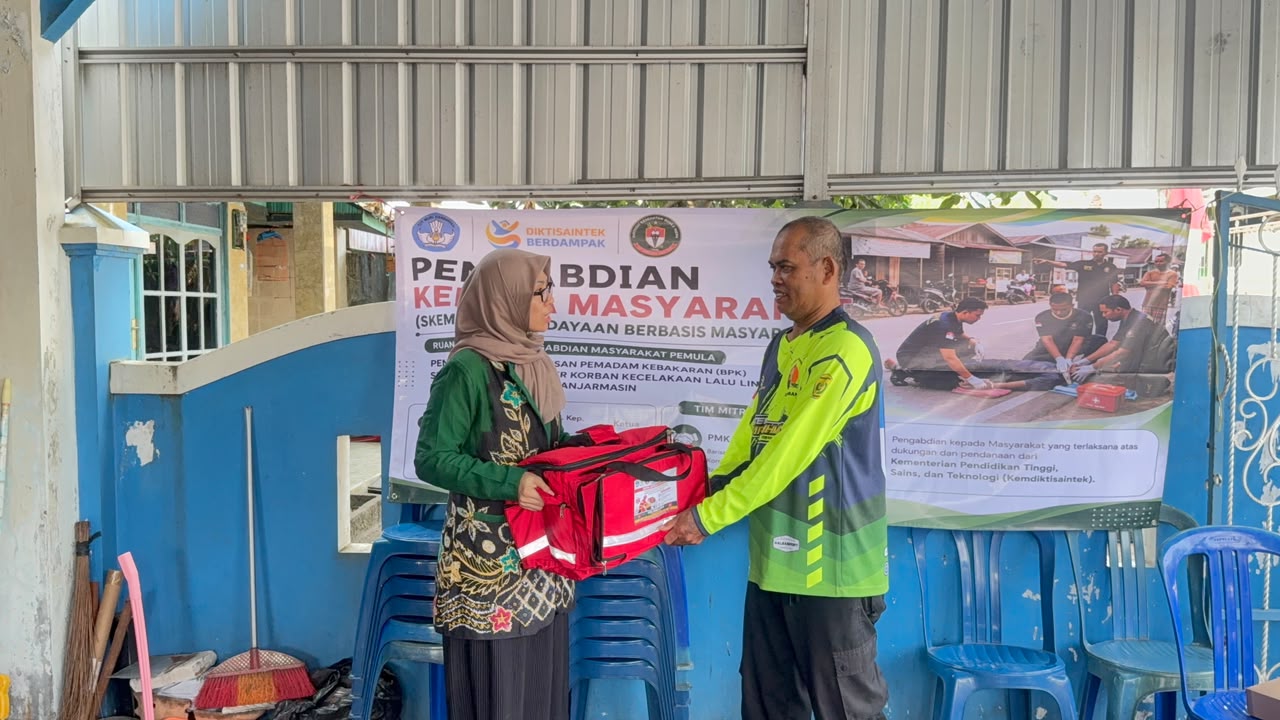
This local initiative mirrors a growing global health strategy: decentralizing emergency care by empowering community bystanders and local volunteer networks. In many rapidly developing urban centers worldwide, formal ambulance services can be significantly delayed by severe traffic congestion. By equipping pre-existing volunteer networks—like local fire brigades—with evidence-based trauma stabilization skills, health institutes can drastically reduce road traffic mortality rates and bridge the critical gap between the moment of impact and hospital admission.
As urbanization accelerates globally, models of decentralized, community-driven emergency response become increasingly essential. Institut Kesehatan Suaka Insan successful training day not only equipped local heroes with life-saving skills but also set a scalable precedent for healthcare interventions in growing cities. “Hopefully this activity can provide the best results for handling victims, and become a good deed for all of us,” a volunteer representative concluded. [Publication Unit-UPPM Ikes Suaka Insan].